Ever wondered what keeps your favorite restaurant safe from kitchen fires? It’s not just the chefs or the food. It’s the fire code for cleaning Arizona hoods that’s key. But what are these rules, and why are they so important?
The National Fire Protection Association (NFPA) sets these rules. They’re part of NFPA 96, which deals with kitchen ventilation and fire safety. These rules make sure kitchens are safe and reduce fire risks.
Local areas might follow NFPA 96 or similar rules. It’s a must to follow them. Cleaning schedules depend on how much cooking happens and what’s cooked. Only experts can do this job right.
Key Takeaways
- The fire code for cleaning Arizona hoods is established by NFPA 96.
- Local jurisdictions can adopt NFPA 96 to govern commercial kitchens.
- Regular cleaning of kitchen exhaust systems is mandatory to remove flammable residues.
- High-volume cooking operations require more frequent cleanings.
- A qualified hood cleaning service must carry out the work to ensure compliance.
- Non-compliance can lead to penalties, increased insurance costs, and heightened fire risks.
Understanding Hood Cleaning Regulations in AZ
Hood cleaning rules are key to fire safety in commercial kitchens. Following the nfpa fire code hood cleaning is vital for a safe cooking space.
Cleaning hoods often needs to be done monthly to yearly, depending on how much cooking is done. It’s important to keep records of each cleaning, like photos and a cleaning certificate. This makes sure you follow hood cleaning safety guidelines.
Professional cleaners must use the right chemicals and tools to clean hoods safely. They also need training and certification to do the job right. This ensures they meet all the rules and standards.
Regular hood cleaning also improves air quality and energy use. It can even make kitchen equipment last longer.
What is the fire code for cleaning Arizona hoods?
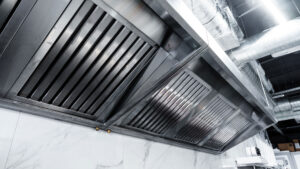
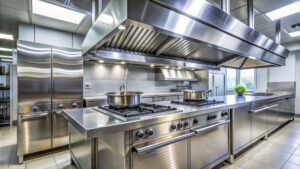
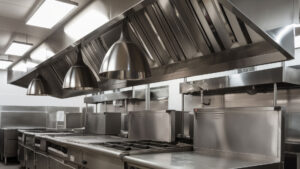
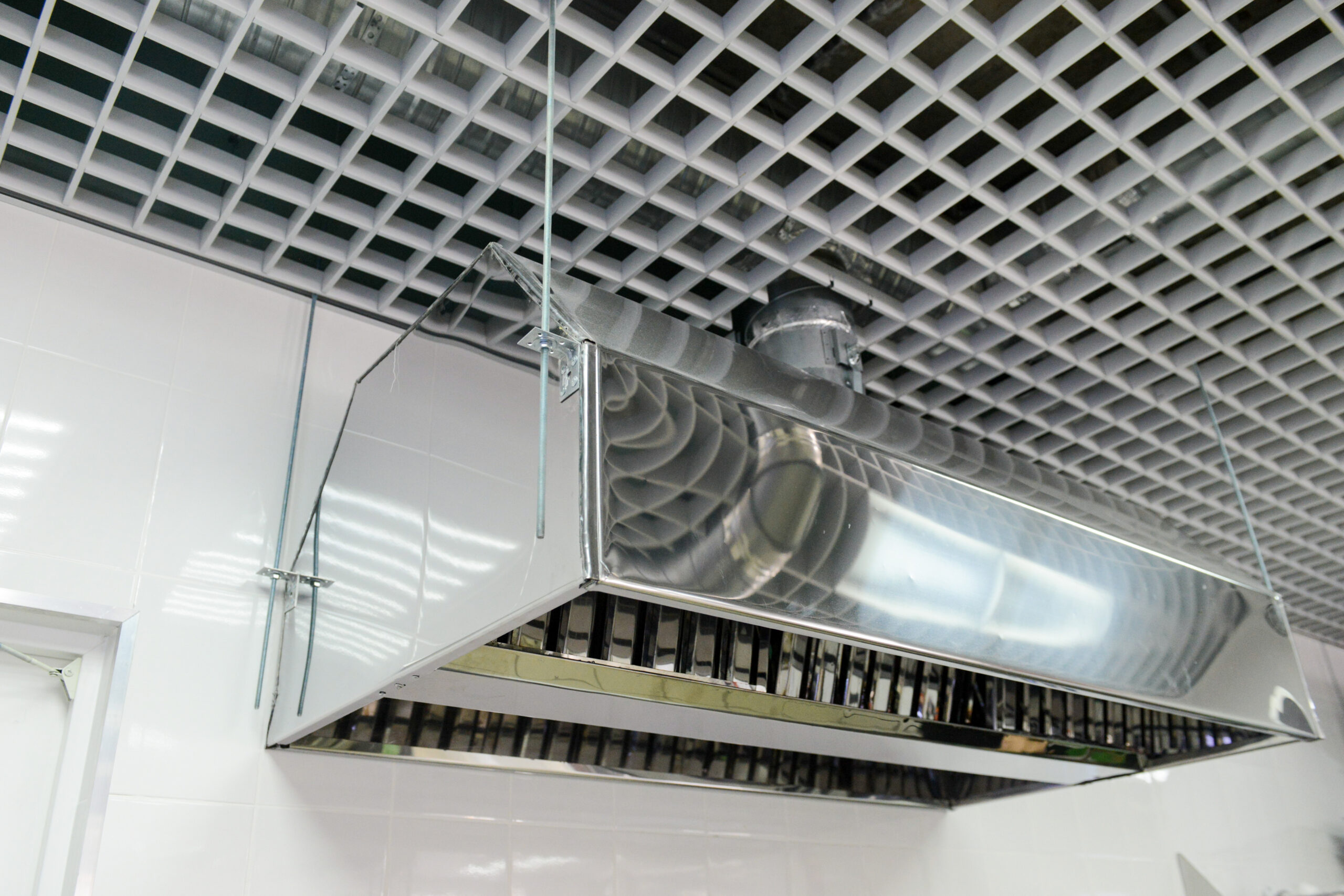
The fire code for cleaning hoods is key to stopping fires caused by grease in kitchen exhaust systems. NFPA 96 is a major standard for this. It outlines how hoods, ducts, and fans should be built and run.
NFPA 96 says that hood filters, ducts, and fans need regular upkeep for safety and to follow fire rules. This upkeep is a team effort between the owner, operator, and cleaning pros. It shows everyone’s dedication to fire safety.
Inspectors check if places follow these fire codes during regular checks. Following these fire codes not only keeps everyone safe but can also affect insurance costs. If places don’t follow these rules, they might face big problems. This could include having to close until they meet the standards.
Conclusion
Following the cleaning hoods fire code is very important. It’s key for any commercial kitchen to know these rules. Not following them can lead to big legal problems and risk the safety of everyone.
Using the help of skilled hood cleaning services is a smart move. They make sure everything is done right, making the kitchen safer and more efficient. By sticking to cleaning schedules and methods, kitchen managers can meet rules and keep their equipment working well.
Keeping up with fire codes and rules is an ongoing job. Getting help from professional hood cleaning services can make it easier. Regular, detailed cleaning of kitchen hoods is essential. It helps keep the place safe and gives everyone peace of mind.
Keep Your Kitchen Safe with Hood Hero In the Phoenix Metro
Hood Hero specializes in professional kitchen exhaust cleaning to keep your restaurant safe, compliant, and running smoothly. Trust the experts—schedule your hood cleaning service today!